What is a Refined Vegetable Oil? What FSMS guidelines are required to be followed by Oil Manufacturing Units?
Refined Vegetable Oil is permitted to be obtained from the following vegetable oils. It can be obtained from any of the following oils mentioned in the regulations Coconut, Cottonseed, Groundnut, Nigerseed, Safflower, Sesame
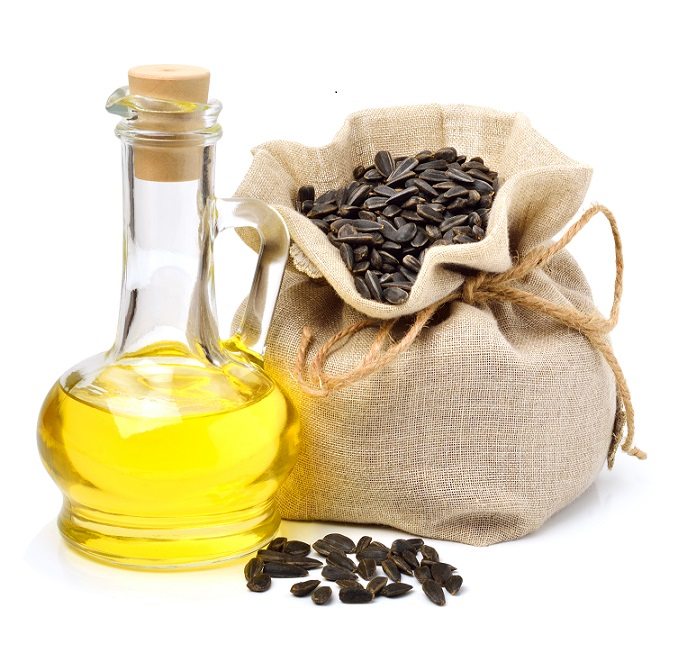
**Refined Vegetable Oil** Refining vegetable oils produces edible oil which has characteristics that consumers desire such as a bland flavour and odour, clear appearance, light colour, stability to oxidation and suitability for frying. Definition According to Food Safety and Standards (Food Products Standards and Food Additives) Regulations, 2011, the word ‘refining’ means that the oil from an expressed vegetable oil or a solvent-extracted oil has been deacified in one of the following ways
- With Alkali,
- By physical refining or both
- By miscella refining using permitted food grade solvent, followed by bleaching with absorbent earth and/or activated carbon or both of them and deodorized with steam without using any other chemical agent
- Refining may also include the process of degumming using phosphoric/citric acid.
When refining oil
- no other chemical agent can be used.
- It is mandatory to clearly specify on the label of the container the name of the vegetable oil from which the refined oil has been manufactured
- Besides the standards mentioned in the regulations for refined vegetable oil, manufacturers must also conform to the standards of each of the edible oils in the regulations when used for refining
- acid value shall not be more than 0.5
- Moisture shall not exceed 0.10% by weight
- Test for argemone oil shall be negative.
The refined vegetable oil is permitted to be obtained from the following vegetable oils. It can be obtained from any of the following oils mentioned in the regulations Coconut, Cottonseed, Groundnut, Nigerseed, Safflower, Sesame, Soyabean, Sunflower, Mustard/Rapeseed, Linseed Mahua, Olive, Poppyseed, Taramira , Maize (Corn), Watermelonseed, Palm, Palmolein, Palm Kernel or Rice Bran**.** Fats that can be used to obtain refined oil are Salseed, Mango Kernel, Kokum Dhupa or Phulwara. In addition refined vegetable oil shall comply with the following requirements
- The oils shall be clear and free from rancidity, adulterants, sediments, suspended and other foreign matter, separated water, added colouring and flavouring substances and mineral oil
- However, it may contain food additives permitted in these Regulations and Appendices
Further, if the oil is obtained by the method of solvent extraction and the oil imported into India; whether obtained by solvent extraction or otherwise, shall be supplied for human consumption only after refining and shall conform to the standards laid down under regulation 2.2.1. Restrictions on Sale According to regulations Food Safety and Standards (Prohibition and Restrictions on sales) Regulations, 2011; no person is permitted to sell or expose for sale, or distribute, or offer for sale, or dispatch, or deliver to any person for the purpose of sale any edible oil –
- Which does not conform to the standards of quality as provided in the Food Safety and Standards Act, 2006 and rules made there under
- Which is not packed in a container, marked and labeled in the manner as specified in FSSAI regulations
Provided that the State Government may, in the public interest, for reasons to be recorded in writing, in specific circumstances and for a specific period by a notification in the Official Gazette, exempt any edible oil from the provisions of this Act. In addition manufacturers need to keep in mind that all edible oils, except coconut oil, olive oil, imported in crude, raw or unrefined form shall be subjected to the process of refining before sale for human consumption. Such oil shall bear a label declaration as laid down in the Regulation 2.4.2 of Food Safety and Standards (Packaging and Labelling) regulations, 2011. Food testing facility It is one of the requirements for obtaining FSSAI registration that all oil manufacturing units must have
- A well equipped laboratory for testing of vegetable oils/fats
- All necessary chemicals and supporting facilities needed for testing must be available
- The laboratory employs must have the required qualification as chemists
- Quality parameters of raw oils and finished products are to be tested as per standards
- Records on quality control are to be maintained satisfactorily
Self-Inspection Checklist for Oil Manufacturing Units
- Location and Layout of Establishment
- Manufacturers must make sure that the factory ideally located away from industries which are emitting harmful gases, obnoxious odour, chemical etc.
- ceiling roof is permanent made form Iron sheet/Asbestos sheet/ R.C.C.
- floor of building is cemented, tiled or laid in stone/ pakka floor.
- production walls are smooth, made with impervious material up to a height of not less than five feet and the junction between the walls and floors are curved
- premises of the factory is adequately lighted and ventilated, properly white washed or painted
- provision for disposal of refuse and effluents is in place
- food production area has adequate drainage facility
- doors must have automatic door closer and all doors, windows and other opening are fitted with net or screen to prevent insects from entering
- provide Antiseptic/ disinfectant foot bath at the entrance of the production area
- ensure there are sufficient numbers of latrines and urinals for worker are provided and located outside the processing hall.
- All the machinery is installed in such a manner which may allow continuous flow of production and it must not occupy more than 50% of the total production area.
- Equipment and fixtures
Manufacturers must ensure that
- appropriate facilities for the cleaning and disinfecting of equipment and instruments and must have preferably cleaning in place (CIP) system wherever necessary
- equipment is made of stainless steel /galvanised iron/ non corrosive materials
- temperature and pressure/vacuum of processing vessels are maintained as per requirements
- Processing Plant
- manufacturers must employ only approved processes in the factory
- De-odourization is done at a temperature more than 180°C
- For hydrogenation/ interesterification units, post neutralization is being done.
- Packaging and Storing
- appropriate arrangement for storage of packing materials and the place must be clean and free from pest/rodent infestation
- containers used for packing must be made of food-grade or prime quality materials
- Use only those tin containers that are rust free
- Provide cold storage facility, wherever necessary
- Packing sections must be covered and protected from insects and flies
- Packing sections must be tiled, clean and tidy
- Batch numbering devises must run to satisfaction
- Label declarations on the packs must be as per norms
- Personal Hygiene
- The staff and workers must be provided with aprons, head cover, disposable gloves and footwear
- There must be adequate facilities for toilets, hand wash and footbath, with provision for detergent/bactericidal soap, hand drying facility and nail cutter
- Water Supply
- There must be adequate supply of potable water.
- Appropriate facilities for safe and clean storage of water
- Ice and steam wherever in use during processing is made from potable water
- Identifying marks must be applied to the pipelines for easy identification of potable and non-potable water.
- Pest Control System
The manufacturing unit must have adequate control measures are in place to prevent insect and rodents from the processing area.