Function of colours in food and colours permitted by FSSAI in foods
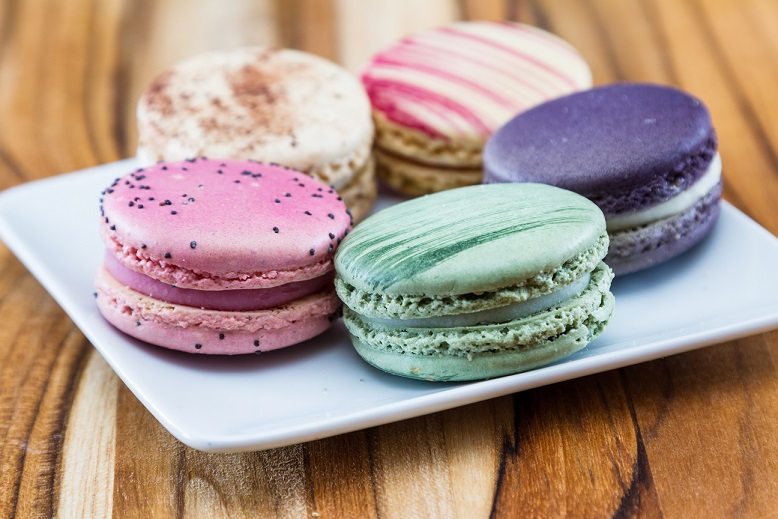
\Colour has an important implication as far as food is concerned as it plays a major role in the taste and perception of food along with flavor and texture. It is a known fact that if the food does not look attractive then consumers will probably reject it. So that food appeals to customers and is accepted by them, the manufacturers add color, but at the same time try to retain its natural looks, as far as possible. Natural appearance is always more appetizing than anything that looks unusually colored. In fact, most consumers believe that colors in foods are their natural colors even though many foods could contain added artificial colors.
Why is color added to food?
Colors are added to food and beverages to create an attractive appearance. They enhance the color of foods which could have deteriorated due to food processing as consumers would perceive such foods to be inferior. Some other reasons why food manufacturers add colors to foods and these are listed below
- Colours serve to act as an association of food so consumers understand that colas will be dark brown, mango juices will be yellow, sauces will be red, etc. so in the absence of the right colours manufactures add them to foods as consumers select and buy foods by color.
- Moreover, if the colors consumers associate with foods are missing or the food looks off colour because of loss of colour due to light, air or temperature consumers tend to judge that food to be of poor quality and might not buy it.
- Colours are added to enhance the natural color of foods like making strawberry jam brighter as this adds value to the foods.
- Certain colours are associated with flavors so when consumers see green or yellow they perceive the food as having a lemony flavor, the orange colour is associated with the flavor of oranges the fruit.
- During storage, sunlight can affect the flavor and vitamins in foods so colours are added to foods because they help to protect foods from losing vitamins and flavors.
- Colours are also added to foods so they look decorative like in cakes. Foods that look attractive seem more appetizing and tend to sell faster.
However, if colour is used to conceal damaged or inferior products so that it appears better or greater in value then it could mislead the consumer. Most consumers presume that if the colour in the food is intact the food could not be spoilt.
Types of food colours
Food colours are of two types, dyes and lakes. Dyes dissolve completely in water and are available as powders, granules or liquids. Dyes are used in beverages, dye mixes, dairy products, pie fillings, ice lollies, jams, pet foods, etc. Lakes are insoluble in water and are generally used in products that contain oils and fats and in products that do not contain much moisture like coatings of tablets, cheese, margarine, chewing gum, chocolates etc. FSSAI has specified the use of Lake colours in foods and say that Aluminium Lake or sunset yellow FCF may be used in powdered dry beverages mix (powdered soft drink concentrate) up to a maximum limit of 0.04 percent by weight. The maximum limit of colour content in the final beverage for consumption shall not exceed 8.3 ppm and that of aluminum content shall not exceed 4.4 ppm of the final beverage for consumption. The powdered dry beverages mix (powdered soft drink concentrate) label shall give clear instruction for reconstitution of product for making a final beverage.
Food colours may be natural or synthetic
Natural colours are those that are extracted from natural sources like plants; from the seed, fruit or vegetable and from minerals, animals, and algae. Therefore
- red blue and violet are derived from beetroot, raspberries, red cabbage
- green comes from the chlorophyll in leaves
- yellow-orange and red is derived from apricots, carrots, and tomatoes
Synthetic colours are produced by chemical reactions. Permitted synthetic colours are safe to use in food and manufacturers use them because they are less expensive and provide uniform and bright colours. They can also be blended to provide a number of secondary colours. However, the use of synthetic colours is declining because some of them have harmful effects on the health and can cause cancer, nervous disorders, toxicity or heart disease.
FSSAI regulations on food colours
The FSSAI regulations for food colouring are covered under the category ‘Colouring Matter’ in the Food Safety and Standards (Food Products Standards and Food Additives) Regulations, 2011. The regulations say that no colouring matter may be added to food unless permitted in these regulations. The colours specified in these regulations, when used in the preparation of any article of food, shall be pure and free from any harmful impurities.
FSSAI permits the use of the following whether derived naturally or manufactured artificially.
- Carotene & Carotenoids including Beta-carotene, Beta-apo 8’- carotenal, Methyl ester of Beta-apo 8’ carotenoic acid, Ethyl ester of Beta-apo 8’ carotenoic acid, Canthaxanthin
- Chlorophyll;
- Riboflavin (Lactoflavin).
- Caramel
- Annatto
- Saffron
- Curcumin or turmeric
Annatto is to be prepared only in permitted edible oil as listed in regulations and the use must be mentioned on the label.
The synthetic colours that are permitted to be used are mentioned below.
- Red from: Ponceau 4R, Carmoisine, and Erythrosine
- Yellow from: Tartrazine and Sunset Yellow FCF
- Blue from: Indigo Carmine and Brilliant Blue FCF
- Green from: Fast Green FCF
Food products in which FSSAI permits colour as an additive
- Ice-cream, milk lollies, frozen desserts, flavored milk, yogurt, ice-cream mix-powder
- Biscuits including biscuit wafer, pastries, cakes, confectionery, thread candies, sweets, savories (dalmoth, Mongia, phululab, sago papad, dal biji only)
- Peas, strawberries, and cherries in hermetically sealed containers, preserved or processed papaya, canned tomato juice, fruit syrup, fruit squash, fruit crushes, fruit cordial, jellies, jam, marmalade, candied crystallized or glazed fruits
- Non-alcoholic carbonated and non-carbonated ready to serve synthetic beverages including synthetic syrups, sherbets, fruit bar, fruit beverages, fruit drinks, synthetic soft-drink concentrates
- Custard powder
- Jelly crystal and ice-candy
- Flavour emulsion and flavor paste for use in carbonated or non-carbonated beverages only under label declaration
Synthetic colours have maximum limits this is usually 100 parts per million of the final food or beverage for consumption. However, in some foods and beverages, mentioned in regulations, the maximum limit of permitted synthetic food colours may be up to and not exceed 200 parts per million of the final food or beverage for consumption.
The declaration about the food colours on the label shall be in accordance with the FSS (Packaging & Labelling) Regulations, 2011.