FSSAI Compliance Guides
Everything food business operators need to know about FSSAI regulations — from licence types and registration to labelling requirements and compliance audits.

FSSAI Sets Timeline for Labelling Compliance in 45th Food Authority Meeting
The Food Safety and Standards Authority of India (FSSAI), under the powers conferred by Section 92 of the Food Safety and Standards Act, 2006, has the authority to frame or amend regulations with

FSSAI Lately Clarifies Documents Needed for Licensing Applications
The Food Safety and Standards Authority of India (FSSAI(https://www.fssai.gov.in/)) has recently addressed concerns regarding the documents required as proof of premises for licensing applications m
FSSAI Revises MRLs Methodology for Spices and Culinary Herbs
The Food Safety and Standards Authority of India (FSSAI) has recently introduced a revised methodology for determining Maximum Residue Limits (MRLs) for pesticides in spices and culinary herbs. Th
FoRTrace Implementation by FSSAI: A Game-Changer in Rice Fortification with Transparency
The implementation of FoRTrace by FSSAI marks a significant advancement in rice fortification, bringing transparency to the process. This innovative system ensures that every batch of fortified rice i

FSSAI revises standards of Basmati Rice, fowl eggs, limits of naturally occurring formaldehyde in marine fish etc
FSSAI on operationalization of Draft Food Safety Standards of Packaged Drinking Water
FSSAI has laid out Direction under Section 16(5) of Food Safety and Standards Act, 2006 regarding operationalization of Draft Food Safety and Standards (Food Product Standards and Food Additives) Amendment Regulations regarding the standards of Packaged Drinking Water other than Mineral Water.
FSSAI’s Standards for Raw Cashew Nuts Remains Under “foods not specified”

FSSAI makes Menu Labelling Mandatory for Restaurants

FSSAI Directions Regarding Food Category for Sweets Snacks and Savouries for Licensing
Reasons for the Increase in the Demand of Organic Food Worldwide

FSSAI Gazette Notification on Amendments in Alcoholic Beverages Regulations

FSSAI Gazette Notification on Foods for Infant Nutrition Regulation

FSSAI Gazette Notification on Removal of Mandatory Certification of Agmark for Certain Food Products

FSSAI Guidance Note on Food for Special Medical Purpose (FSMP)
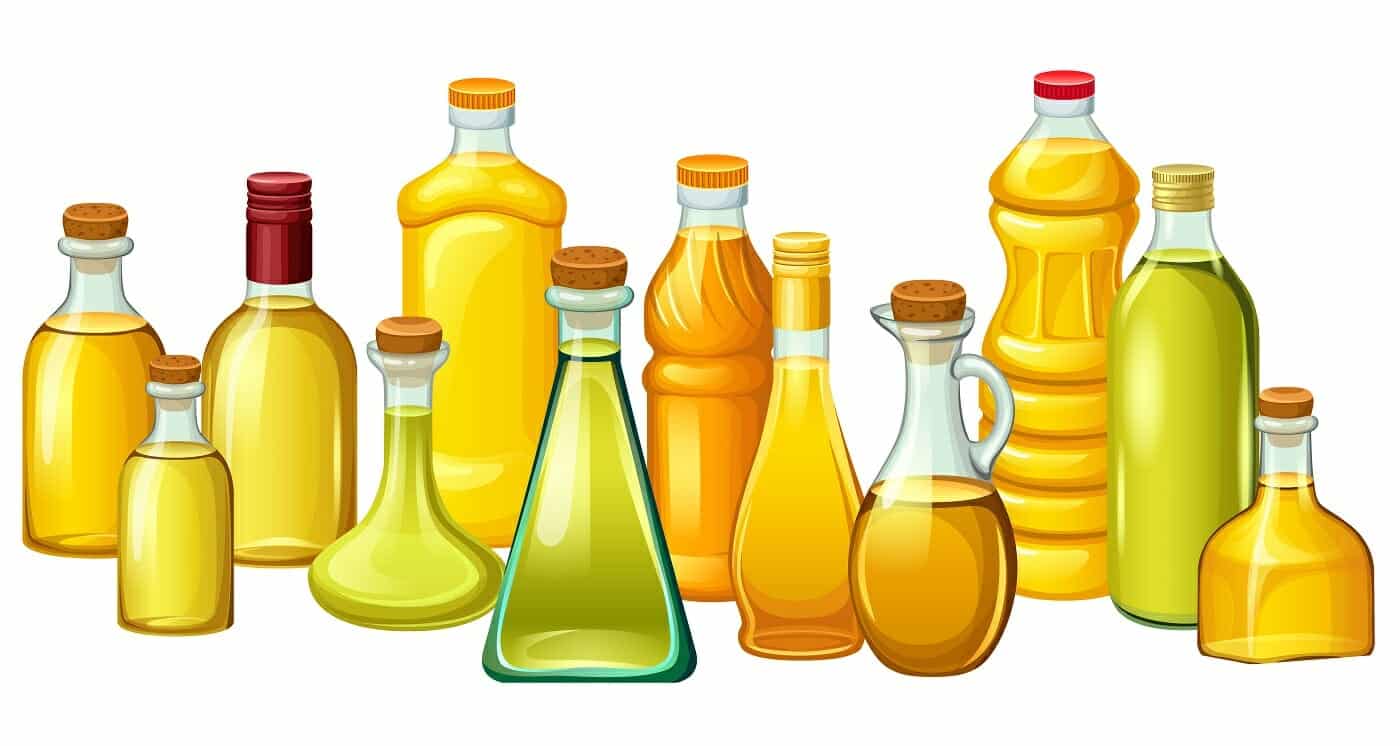
FSSAI Extends Validity Period for Collection of Used Cooking Oil from FBOs by Biodiesel Manufactures
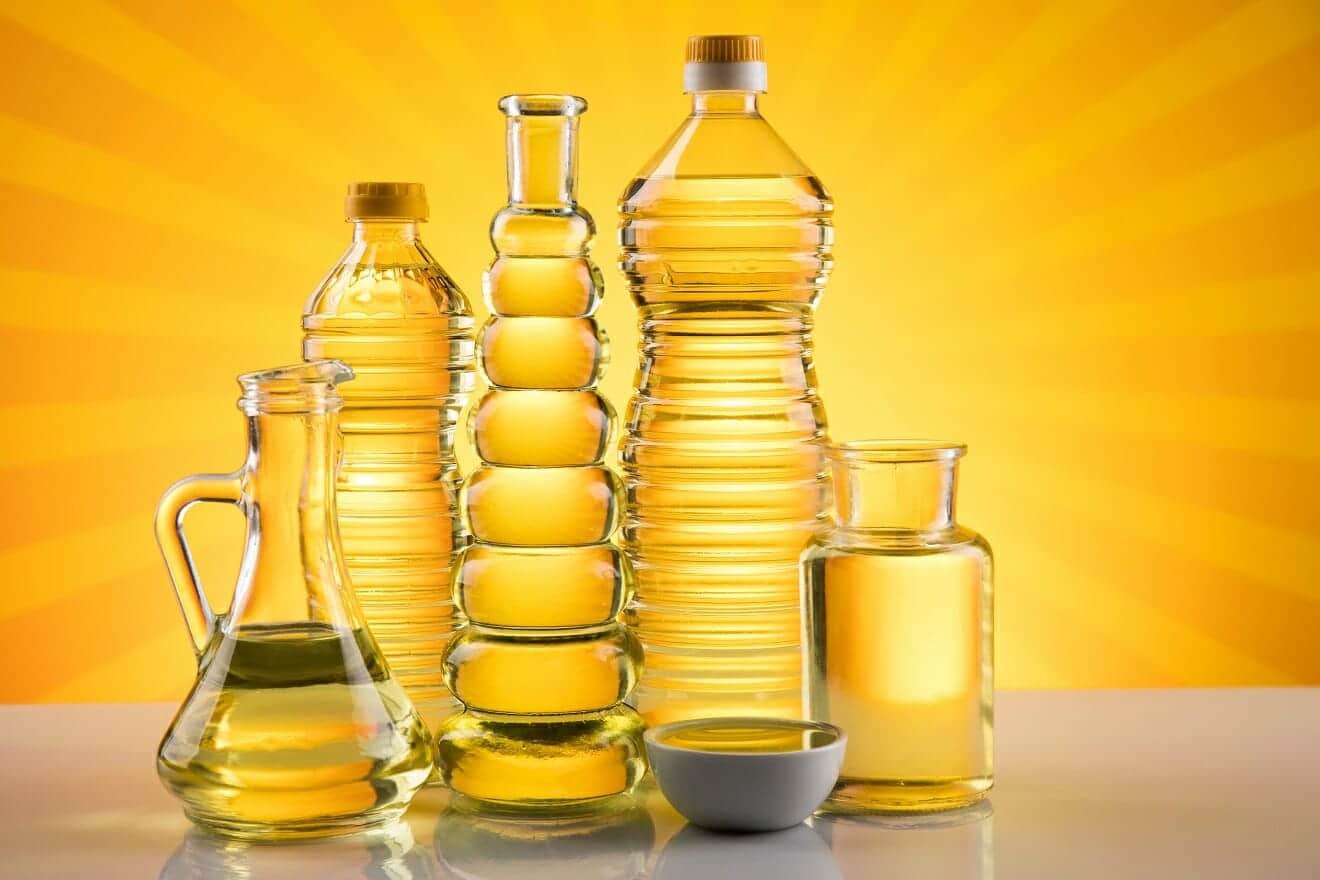
FSSAI Ensuring Availability of Blended Edible Vegetable Oil with AGMARK Certification

FSSAI FAQs on Organic Foods

Choose Fortified Foods with the +F Logo for Health and Well Being
Choose Fortified Foods with the +F Logo for Health and Well Being The FSSAI has been promoting food

How Maintaining Hygienic and Sanitation in Kitchen Leads to Food Safety
How Maintaining Hygienic and Sanitation in Kitchen Leads to Food Safety As per the condition

FSSAI to Establish 10 New Offices for Pan India Presence
FSSAI to Establish 10 New Offices for Pan India Presence FSSAI will set up 6 new branch offices, 4 new impor

FSSAI Guidelines for Standardised Street Food Cart under ‘Clean Street Food Hub’ Initiative
FSSAI Guidelines for Standardised Street Food Cart under ‘Clean Street Foo

FSSAI Issues Directions on Recommended Dietary Allowance (RDA)
FSSAI Issues Directions on Recommended Dietary Allowance (RDA) The FSS Act, 2006 permits the use of vita
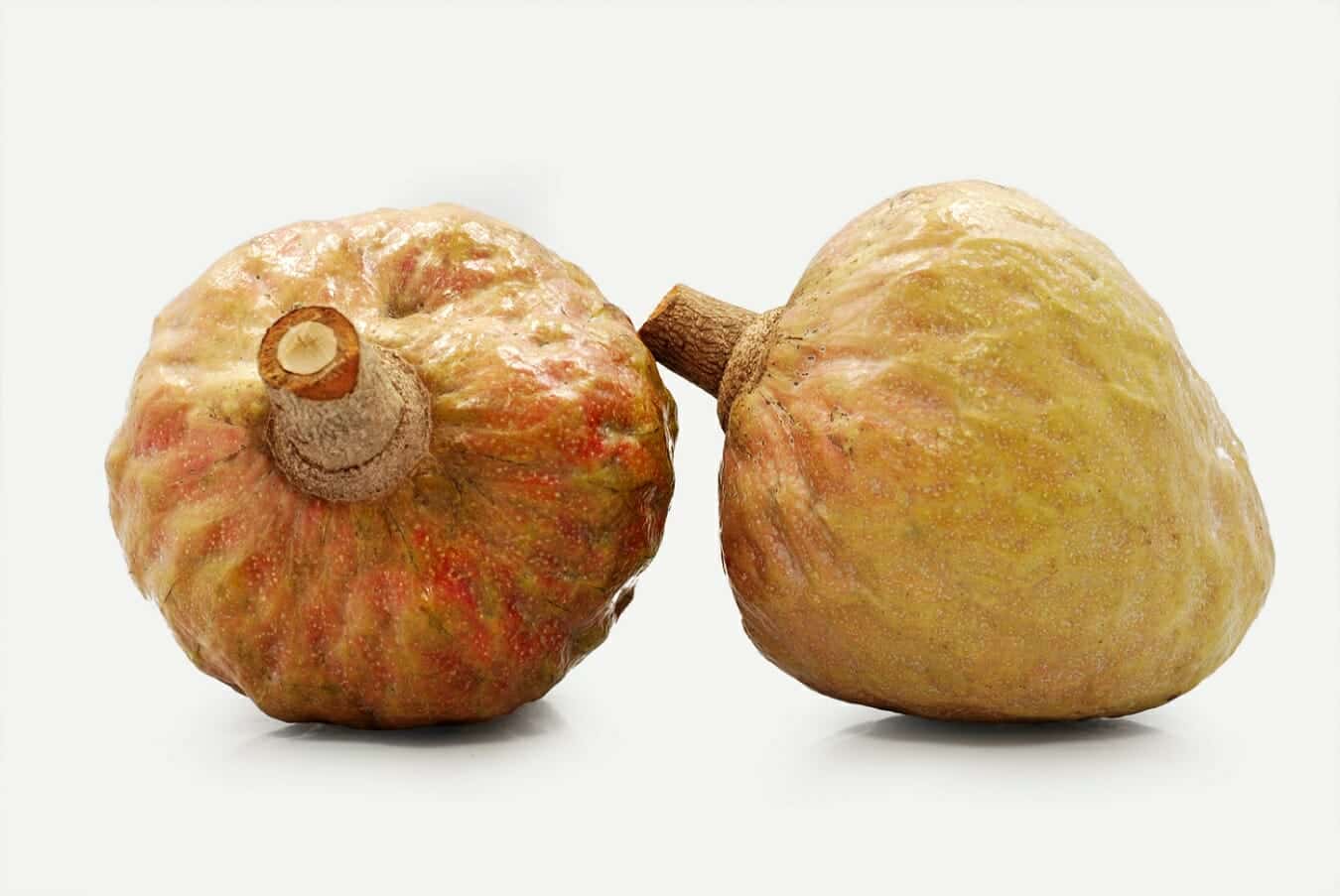
FSSAI's Guidance Note on Artificial Ripening of Fruits
FSSAI Guidance Note on Artificial Ripening of Fruits FSSAI Guidance Note on Artificial Ripening of Fruits (Version 2) Ethylene gas –
FSSAI Amends Food Products Standards Pertaining to Goat or Sheep Milk and Chhana & Paneer
Goat Milk As per relevant provisions of the Food Safety and Standards Act (20

FSSAI Operationalises the Revised Standards for Honey
FSSAI’s Guidance Note on Traditional Milk Products

FSSAI Issues Advisory on Handling of Dry Ice as Cooling Agent for Food Products
Dry ice which is the solid form of carbon dioxide is commonly used as a cooling agent for food products like ice-cream, frozen desserts, etc.
FSSAI Introduces the Food Safety Mitras Scheme
FSSAI has introduced the Food Safety Mitra (FSM) Scheme as a way to engage motivated individuals with the food safety ecosystem at the ground level.

FSSAI Issues Notification Regarding Bamboo as Food Contact Material
Through a notification dated 30 August 2019 the FSSAI has issued clarification regarding the use of bamboo as food contact material.
FSSAI Food Facts on Cereals and Cereal Products
Atta or resultant atta means the coarse product obtained by milling or grinding clean wheat free from rodent hair and excreta.

FSSAI Drafts the Recovery and Distribution of Surplus Food Regulations 2019
These regulations may be called the Food Safety and Standards (Recovery and Distribution of Surplus Food) Regulations, 2019.
FSSAI Publishes Guidance Note of Aflatoxins
Aflatoxins are a class of mycotoxins produced primarily by Aspergillus flavus and Aspergillus parasitic group of a fungi.

FSSAI Proposes Amendments to the Alcoholic Beverages Regulations
Through a notification, FSSAI has proposed amendments called the Food Safety and Standards (Alcoholic Beverages) Amendment Regulations, 2019.

FSSAI Drafts the New Labelling and Display Regulations 2019
FSSAI Drafts the New Labe
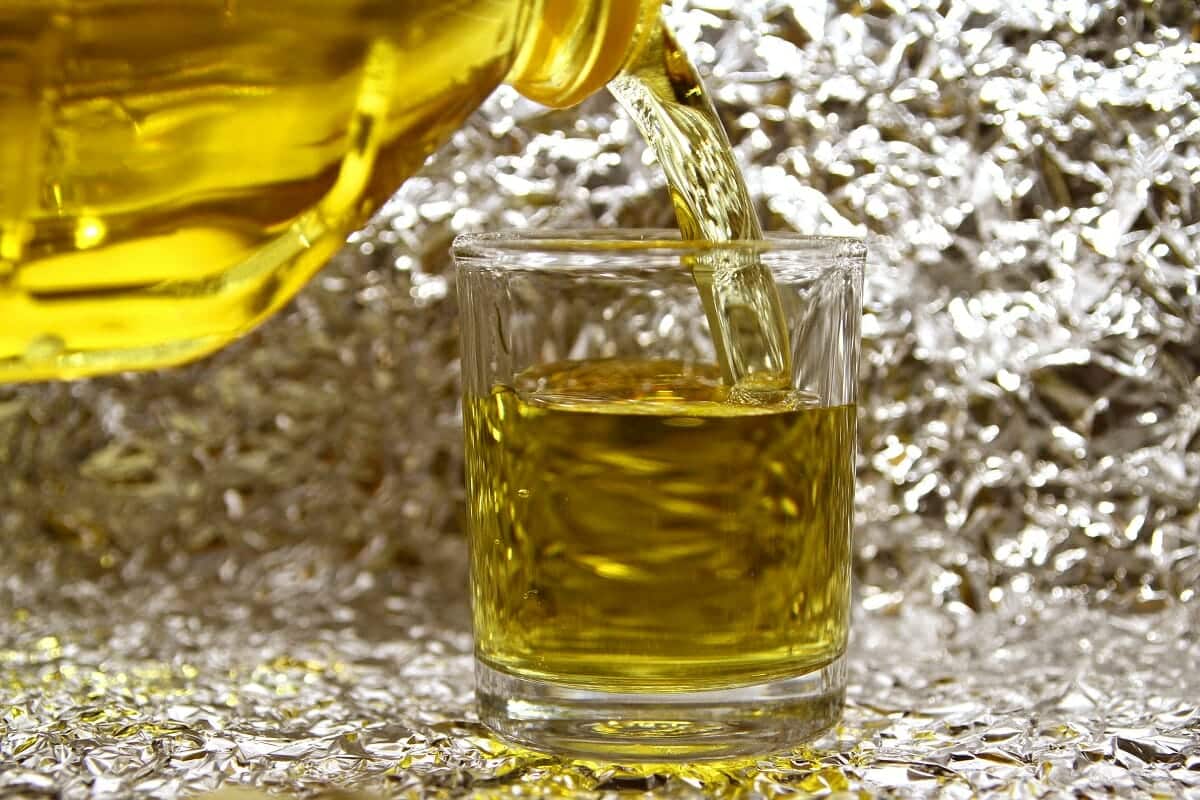
FSSAI Directions Regarding Labelling Requirements for Blended Edible Vegetable Oils
Edible Vegetable Oil Through a notification dated 28 June 2019, the FSSAI has iss

FSSAI Directions Regarding False Health Claims Made on Nutraceutical Products
FSSAI Direct
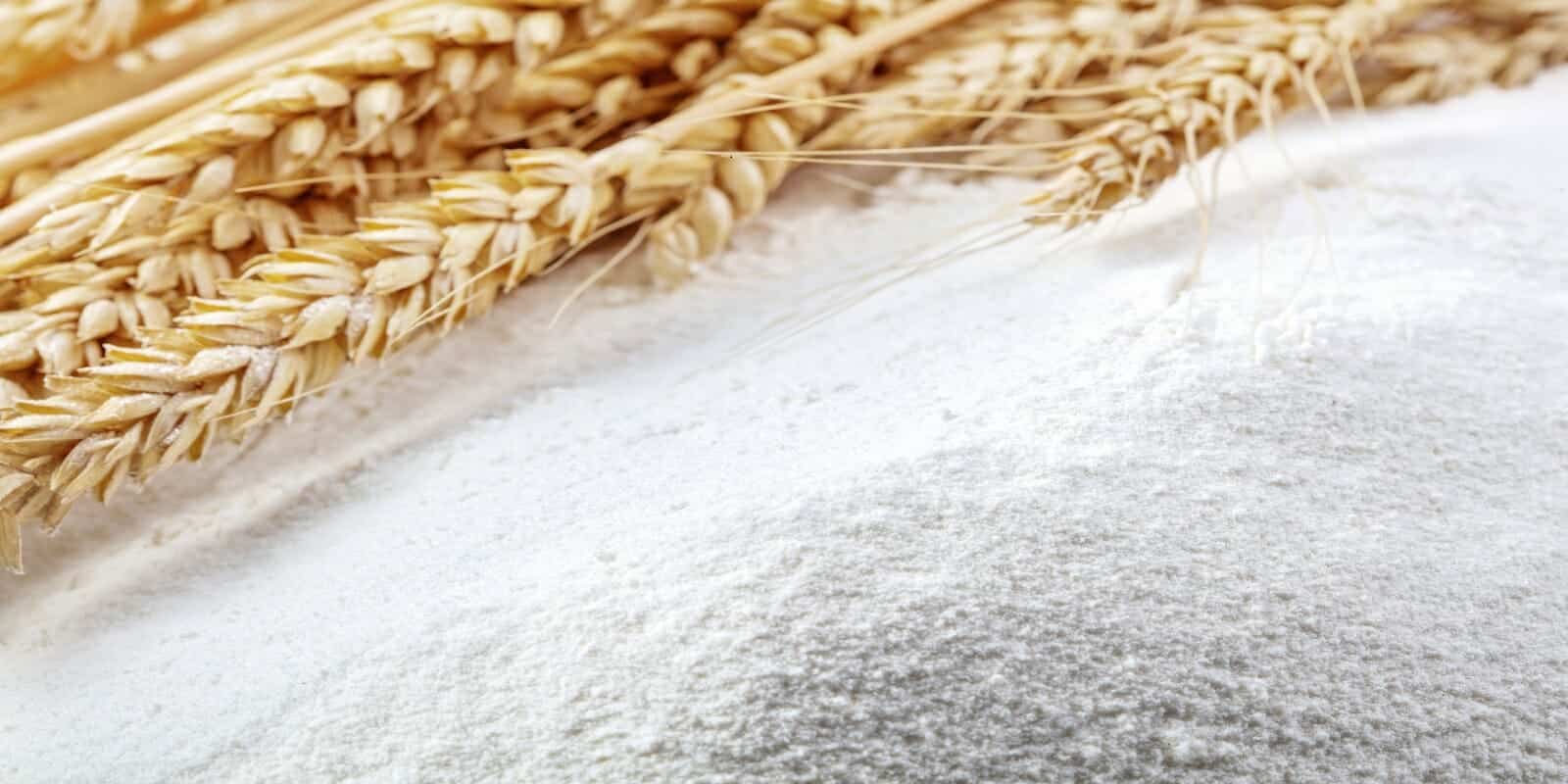
FSSAI Issues Directions Regarding English Nomenclatures for Atta and Maida
The FSSAI has issued directions regarding use of the terms Wheat Flour/ Whole Wheat Flour/Refined Wheat Flour as English nomenclature for Atta and Maida.

FSSAI Directions Regarding use of Jaivik Bharat Logo and FSSAI License Endorsement

FSSAI Notifies the New Packaging Regulation 2018
FSSAI has made separate bundling controls as it perceives the significance of bundling in the nourishment area and its effect on sustenance security.

FSSAI Notifies Revised Standards for Oils and Vanaspati and New Standards for Palm and Avocado Oils

FSSAI Expresses Concern About Fake Videos and Irresponsible Reporting on Food Safety

FSSAI Issues Guidance Note on Use of Stickers on Fruits and Vegetables
FSSAI Issues Order Regarding Display of Food Safety Display Boards
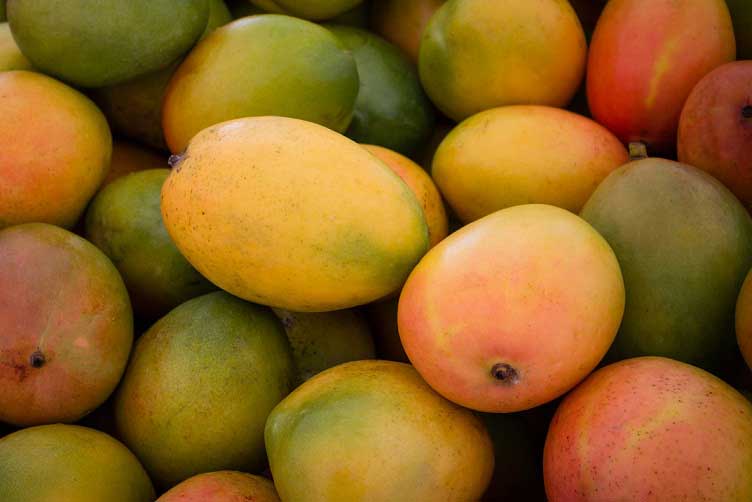
Guidance Note on Artificial Ripening of Fruits
Artificial Ripening of fruits is important during supply chain of certain fruits, so FSSAI has permitted the use of Ethylene gas as safe aid for the fruits.
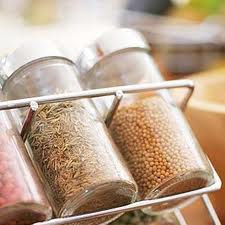
FSSAI Issues Guidance Note on Safe Ground Spices
Consumers must be exceptionally careful about adulteration in ground spices since it can be a reason of health hazard.

FSSAI Revises Standards for Cane Jaggery and Sets New Standards for Calcium Saccharin

FSSAI Notifies the Alcoholic Beverages Regulations 2018

FSSAI Drafts Regulations on Safe and Wholesome Food for School Children

FSSAI Drafts Standards for Pulses, Honey and other Food Grains

FSSAI Introduces ‘Save Food, Share Food, Share Joy’ Initiative

FSSAI's Food Safety Management System for Bakery and Bakery Products

FSSAI Notifies Revised Standards for Milk and Milk Products

FSSAI Drafts the Food Safety and Standards (Packaging) Regulations, 2017
FSSAI Issues Directions Regarding Standards for Tin Used in Packaging of Food Products
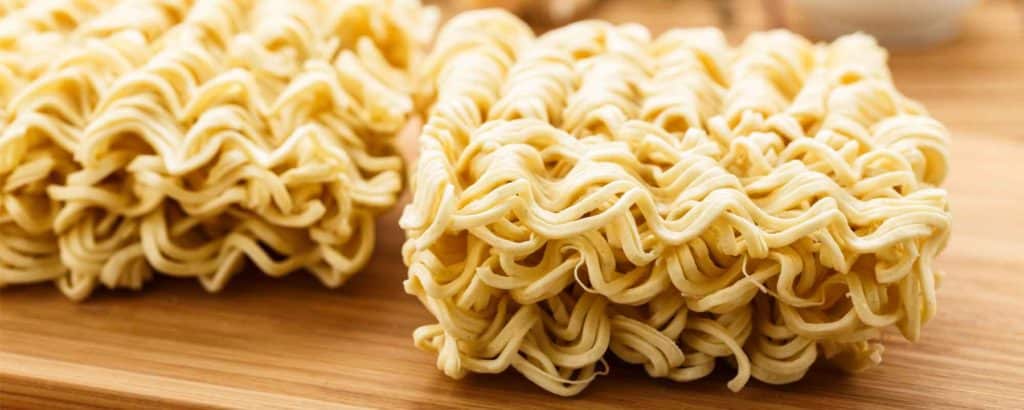
FSSAI Notifies Standards for Durum Wheat Maida, Quinoa, Instant Noodles and Pearl Millet Flours

FSSAI Key Requirements for Manufacturing Nutraceuticals in India

FSSAI Issues Directions Regarding Food Fortification Logo

Is plastic rice real or is the news about its prevalence just a rumour?
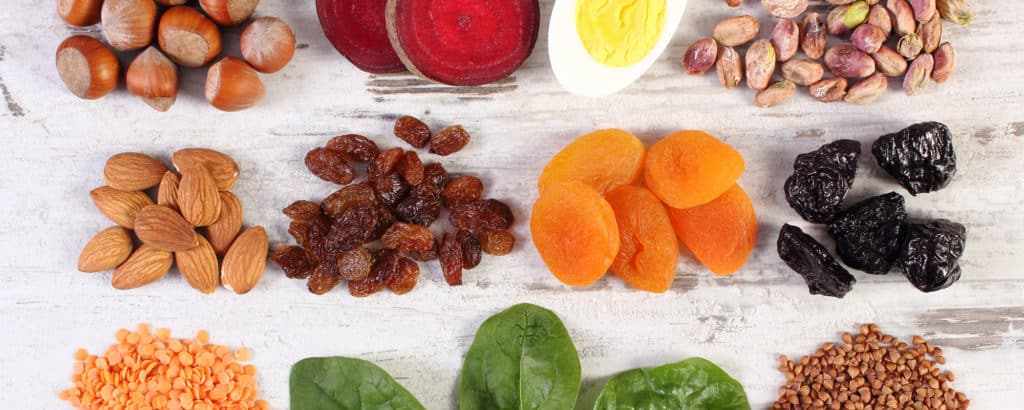
FSSAI issues directions regarding restrictions on the use of Heme Iron
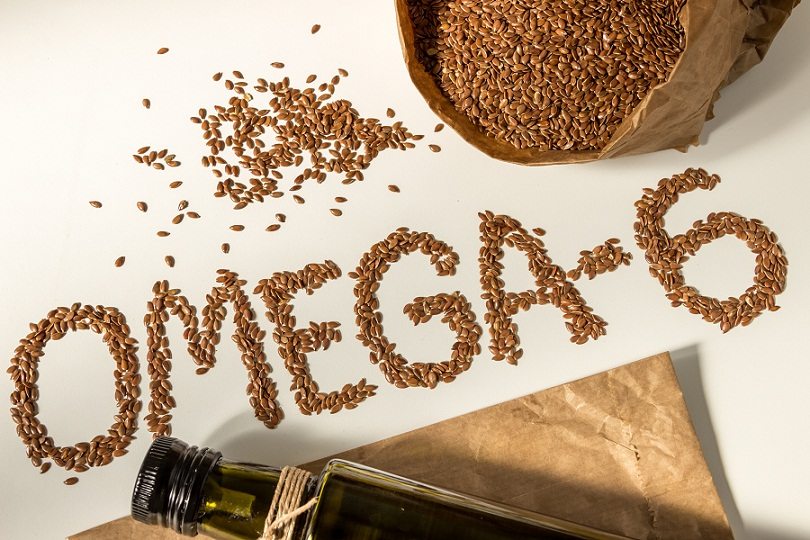
Saturated, Monounsaturated and Polyunsaturated Fats: What’s Best for Your Health?

FSSAI issues Gazette Notification on Food Recall Procedure
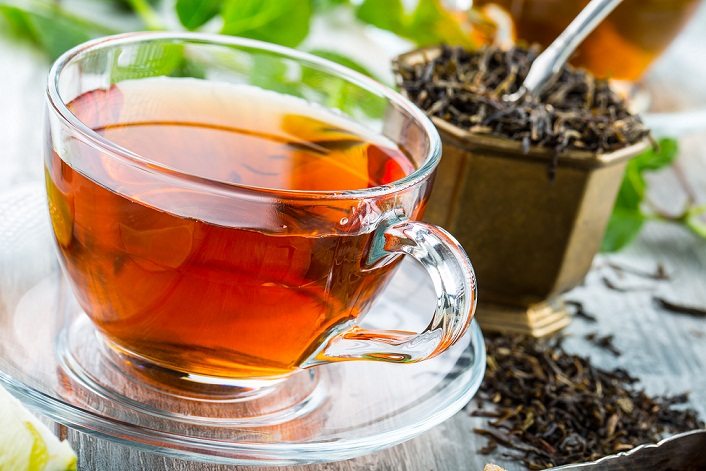
FSSAI finalises standards for limit of iron filings in tea

FSSAI operationalizes the limits of iron filings in tea
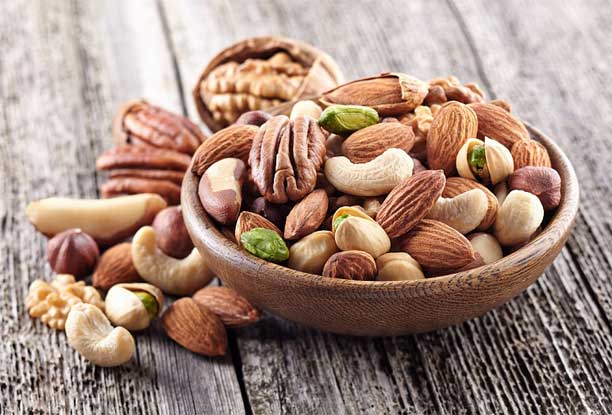
How FBOs can ensure food safety of dry fruits, nuts and seeds
Studies have indicated that consumer awaren

FSSAI notifies amendments related to harmonization of horizontal standards for food additives

What you should know about the recommended daily allowance of sodium ?

Daily Protein Requirements for Indians based on Food Habits

FSSAI proposes draft amendments related to Fats, Oils and Fat Emulsions

Function of colours in food and colours permitted by FSSAI in foods
FSSAI signs MoU with ASCI to address the issue of misleading advertisements

What is Recommended Daily Allowance?
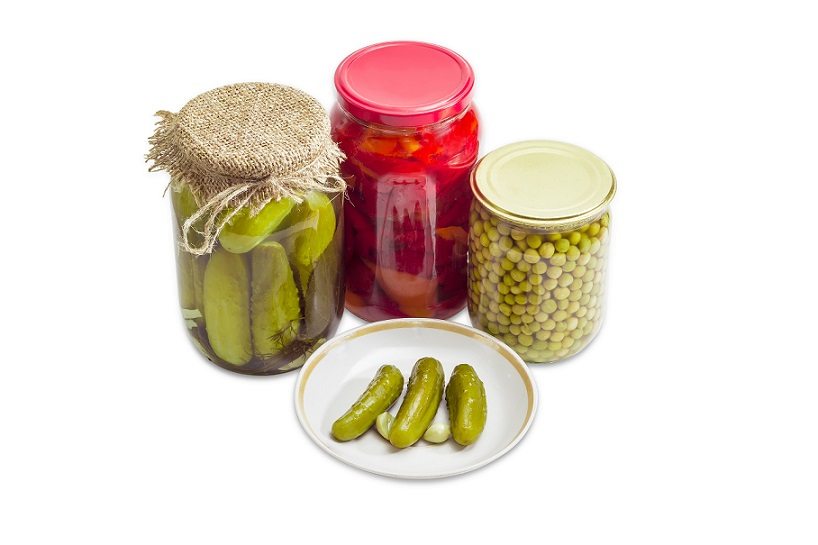
Salting and Pickling processes in food preparation and preservation
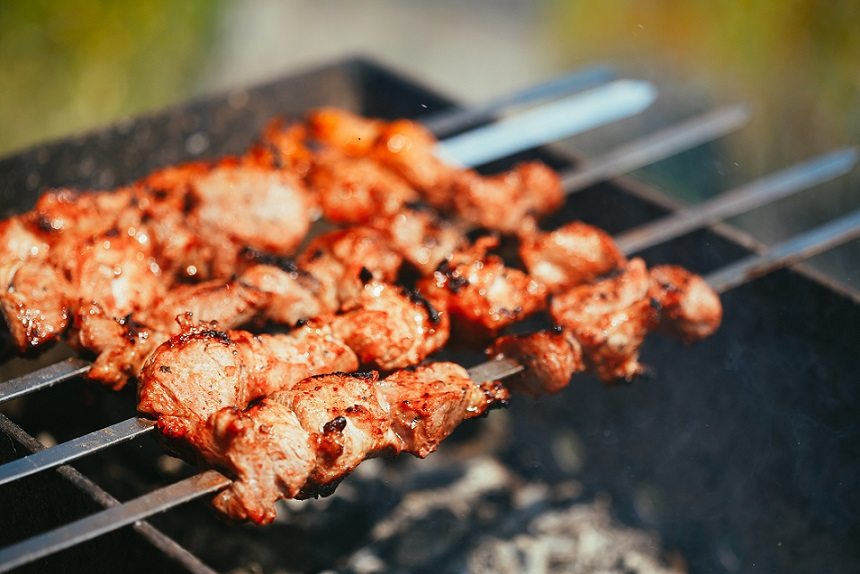
How is smoking used for food processing and preservation?

FSSAI clarifies all aspects regarding Proprietary Food

Over 68 percent of Milk does not meet Food Safety Standards in India

Why is traceability in the food chain important for food safety?
What are Cereals and Cereal Products? What does FSSAI Say?
FSSAI has defined guidelines for the cereal & cereal products. Cereal products are made from the processes of grinding, sifting, separation and regrinding of cereals.

Chicory, Coffee-Chicory Mixture and how it has been discussed under FSSR
Coffee-Chicory Mixture is now days been used as food and there are various brands selling this product. FSSR has specified the standards for coffee-Chicory powder

What are Anticaking Agents? What do FSSAI Regulations say?
Anti caking agents are defined as substances added to finely powdered or crystalline food powders to prevent caking, lumping or aggregation by improving their flow ability.

What are Stabilizing Agents? What does FSSAI say?
Stabilizing agents are used for a number of functions in foods and the main function is to act as a thickening agent to gel the foods into the required consistency.

What are Flavouring Agents? What do FSSAI Regulations say?
Flavouring agents are key food additives with hundreds of varieties like fruit, nut, seafood, spice blends, vegetables and wine which are natural flavouring agents

What is Malt based food? What do the FSSAI regulations say?
Malt Based Food is the product obtained by mixing malt (wort or flour or malt extract) of any kind obtained by controlled germination of seeds, FSSAI regulations for malt based

What are Emulsifying Agents? What does FSSAI say?
Emulsifiers are substances that are soluble both in water as well as in fat. Foods that have emulsifying agents are butter, margarine etc. FSSAI has discussed emulsifiers as food additives

What are Thermally Processed Foods? What does FSSAI say?
Understand FSSAI regulations related to thermally processed foods like fruits, fruit cocktails, vegetables, juices, fruit nectar, pulp and tomato puree

Naturally Occurring Toxic Substances (NOTS): What You Should Know?
Certain types of foods contain potentially harmful natural toxins, which are classified as Naturally Occurring Toxic Substances (NOTS)
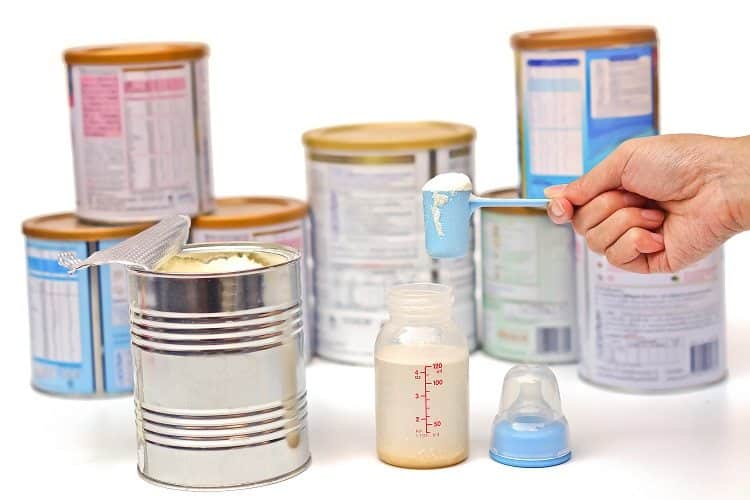
Are Trusted Brands Failing FSSAI Regulations on Food Safety?
The trusted Brands seems to be failing FSSAI regulations as recently the food safety and drug administration (FSDA) in Agra has found detergent in milk samples of Mother Dairy
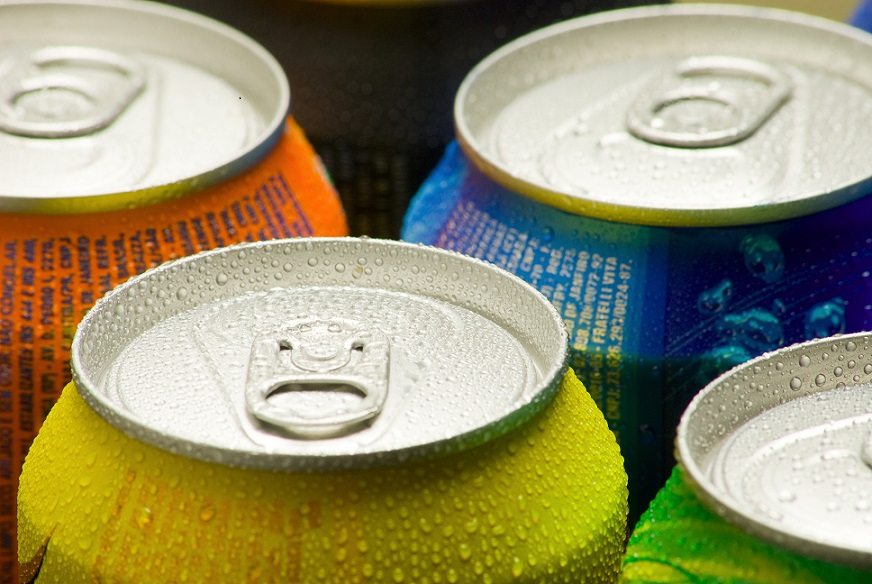
FSSAI adds "Restless Energy Drink" in the recall list of Health & Energy Drinks
FSSAI in its order dated 11 June, 2015 has asked the manufacturers of ‘Restless Energy Drink’ to immediately recall the drink from the market as it has been found to be unsafe
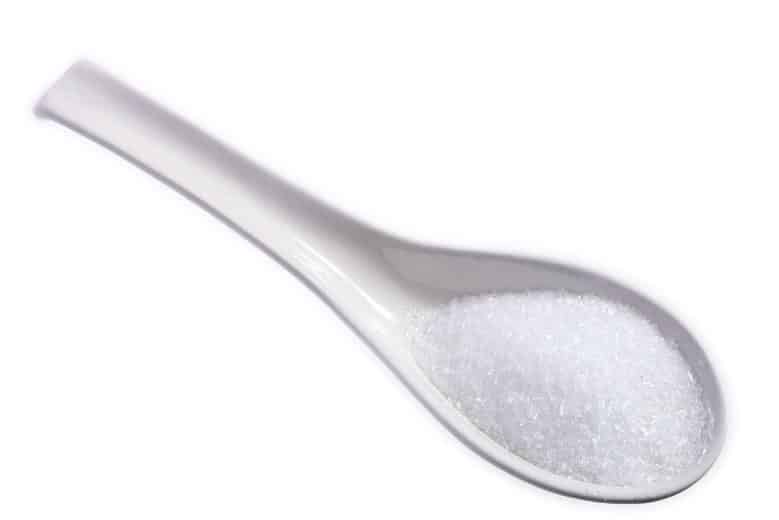
Monosodium Glutamate (MSG): What do FSSAI & other regulatory bodies say?
As per FSSAI guidelines, MSG is not permitted in more than 50 food products including pastas and noodles (dried products). MSG, available under the trade name Ajinomoto

Artificial Sweeteners: What does FSSAI say?
FSSAI has approved five artificial sweeteners, namely, Saccharin sodium, Aspartame (methyl ester), Acesulfame potassium, Sucralose and Neotame

How is Milk defined under FSSAI Regulations?
The FSSAI prescribes specific standards for various types of milk. FSSAI has defined standards for different classes and designations of milk including milk powder

Want to know; what FSSAI says for Delicious Summer Treat - Ice Cream?
FSSAI defines Ice cream as a frozen food, which is usually consumed as a snack or dessert. FSSAI has issued guidelines for FBOs involved in the manufacturing & sale of ice cream.

Are proteins required in fortified food? What does FSSAI Say?
Proteins are essential nutrients for the human body. FSSAI recommends that various types of food, including reconstituted milk and milk products can be fortified with proteins

What does the Label on Food Package Indicate? How significant are logos on the food package?
Logos are also an equally important aspect of packaged food products as they indicate quality and standards. Consumers tend to look for FSSAI logo, vegetarian and non-vegetarian logo

What are the different methods of Food Preservation?
There are different methods of Food preservation. Preservation ensures that the quality, edibility and the nutritive value of the food remains intact

Food Industry This Week – New Openings & Expansions
Food Industry News - New Openings & Expansions PepsiCo Opens Largest Beverage Plant, Sami Group expands to gulf, Tea Business in India is worth $10 billion, Food Additives
FSSAI Introduces Self Declaration as a Substitute to Affidavit for Food Licensing/Registration
FSSAI has introduced Self Declaration System. The FSSAI has changed the requirement of ‘Affidavits’ to 'Undertaking by way of Self Declaration
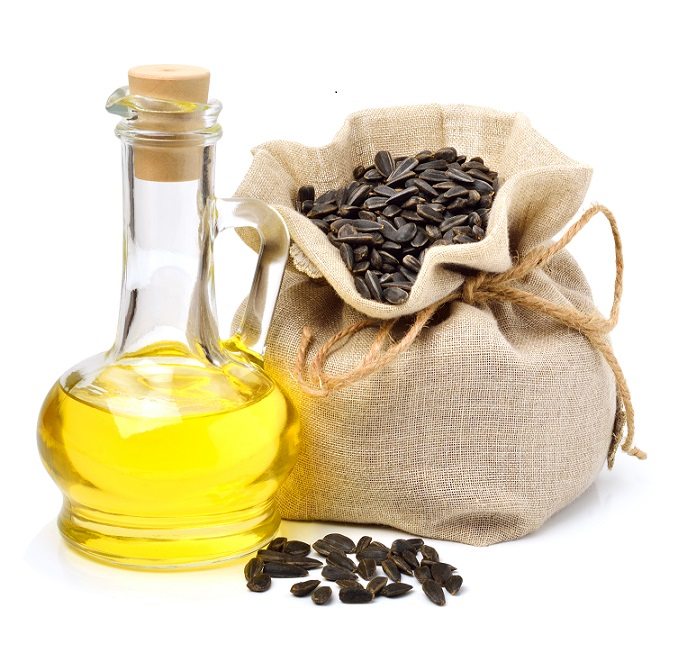
What is a Refined Vegetable Oil? What FSMS guidelines are required to be followed by Oil Manufacturing Units?
Refined Vegetable Oil is permitted to be obtained from the following vegetable oils. It can be obtained from any of the following oils mentioned in the regulations Coconut, Cottonseed, Groundnut, Nigerseed, Safflower, Sesame
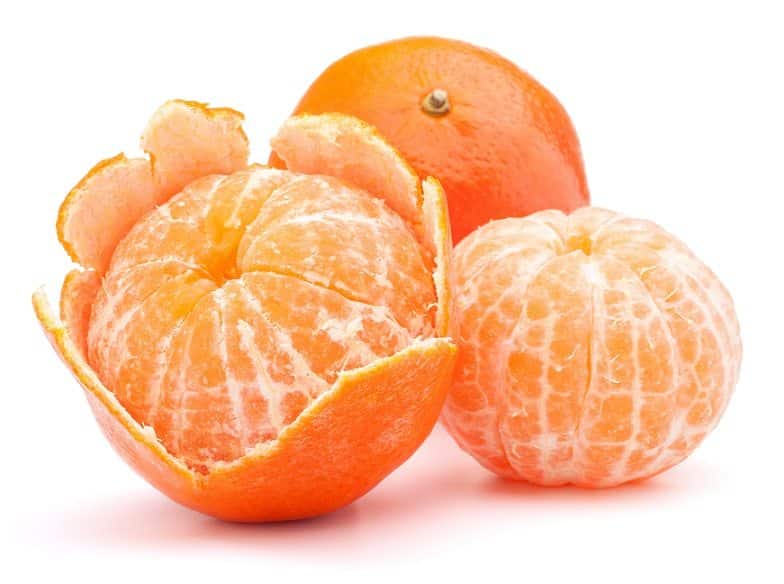
How Organic Food differs from Inorganic Food?
organic food is healthier than inorganic food as there is no use of chemicals so there are fewer carcinogens. Organic soil may have water draining out of it but since no chemical fertilizers are used it will not damage the water table

What is Pasteurisation? What are the guidelines under Food Safety Regulations?
Pasteurisation is a process that slows down microbial growth in food. The aim of pasteurization is not to completely destroy all pathogenic micro-organisms in food or liquid (typically in milk & milk products). Food Safety & Standards Act defines heating of milk of different classes to at least to 6
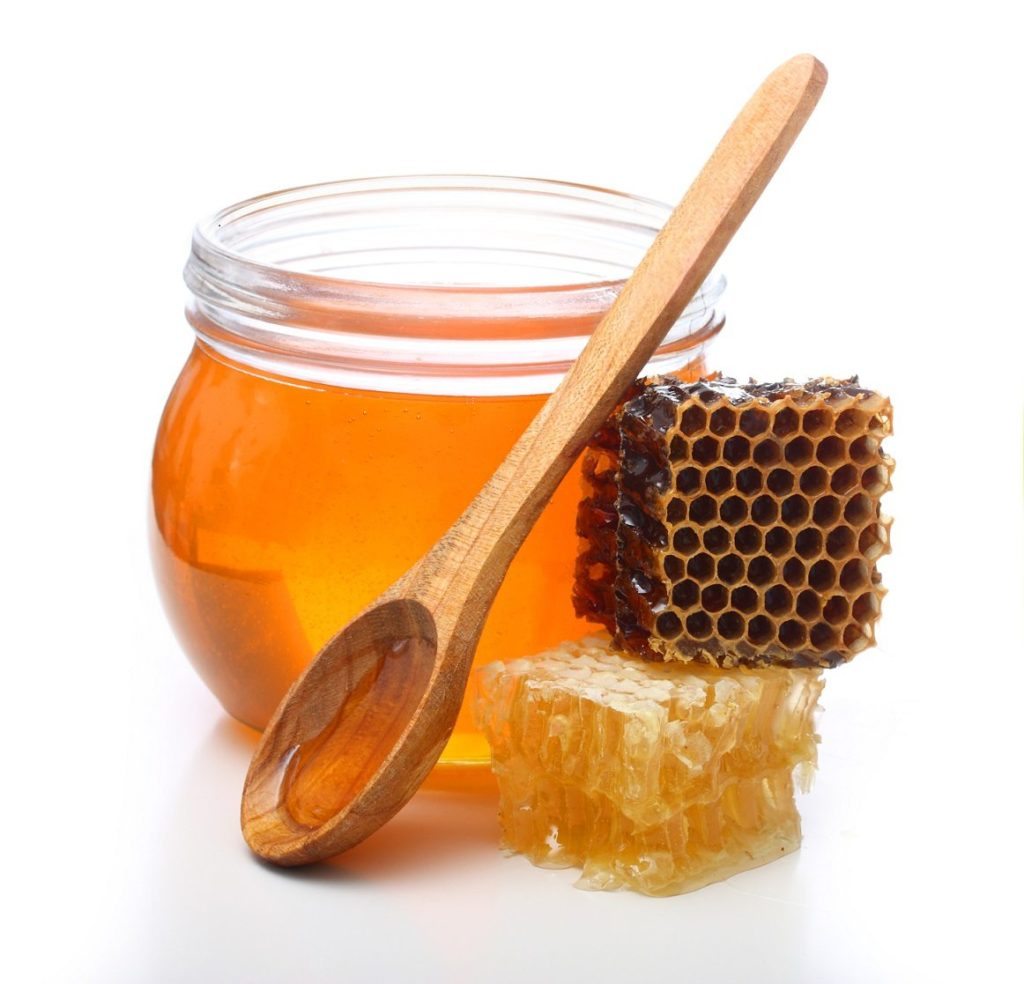
FSSAI Introduces Standards for Antibiotics in Honey
The food authority introduces the list of Antibiotics along with the prescribed tolerance limits in Honey have been defined in the followin table when determined by LC-MS/MS method

What all you need to know about Good Hygiene Practices?
Good Hygiene Practices are the set of requirements to prevent contamination of food in order to provide safe food to the consumers. All consumers have the right to expect safe, hygienically prepared and good quality food. This is the reason that the handling of food requires care to prevent the haza
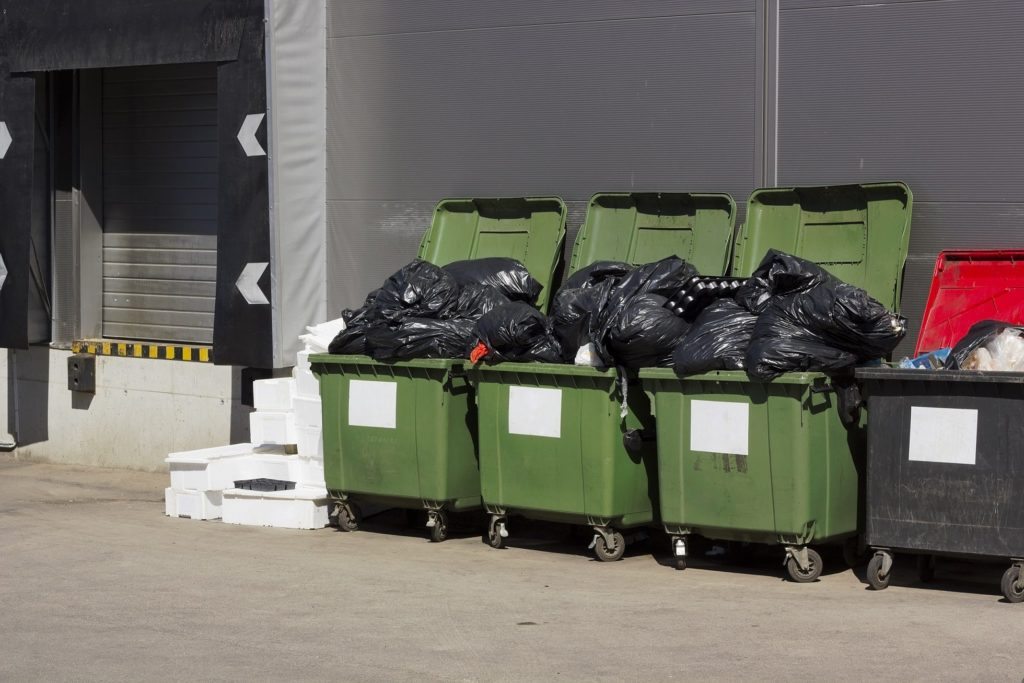
Food Safety Guidelines for Waste Storage & Disposal in the Food Units
Food Business Operators should follow FSSAI guidelines to ensure that waste does not come in contact with food, either directly or indirectly, through flies and insects or through more serious contaminants like effluents.

General points that a food business operator must know about the FSSAI guidelines on equipment, containers & utensils
Every Food Business Operator is required to follow the guidelines as per Schedule 4

FSSAI issued notification on Labelling Requirements for Canola Oil
As per the FSS (packaging and labelling regulations) 2011, every container that is packed with solvent extracted oil meant for sale should be marked with the Name of the Food
Fruits and Vegetable Chutney
Specific conditions and requirements are prepared by the Authority of Food Law,and have also to conform all the microbiological requirements under FSS Regulations,2011
SYNTHETIC SYRUP or SHARBAT
Specific requirements are prepared for the Specification for Synthetic Syrup or Sharbat by FSS(Food Product Standards and Food Additives), 2011
VINEGAR
Some Specific requirements,conditions and microbiological requirements have to follow by the food business operator under FSS Regulations,2011
BUTTER, GHEE & MILK FATS
Specific requirements regarding microbial safety, flavor, rancidity,preservatives has been created for butter,Ghee and milk Fats under FSS regulations,2011,made by FSSAI
Interesterified vegetable fat
Specific Standards have been created for the Interesterified Vegetable Oil regarding the presence of color,moisture,flavour etc. under the regulations of FSSA
Get weekly FSSAI updates in your inbox
No spam. Unsubscribe anytime.